

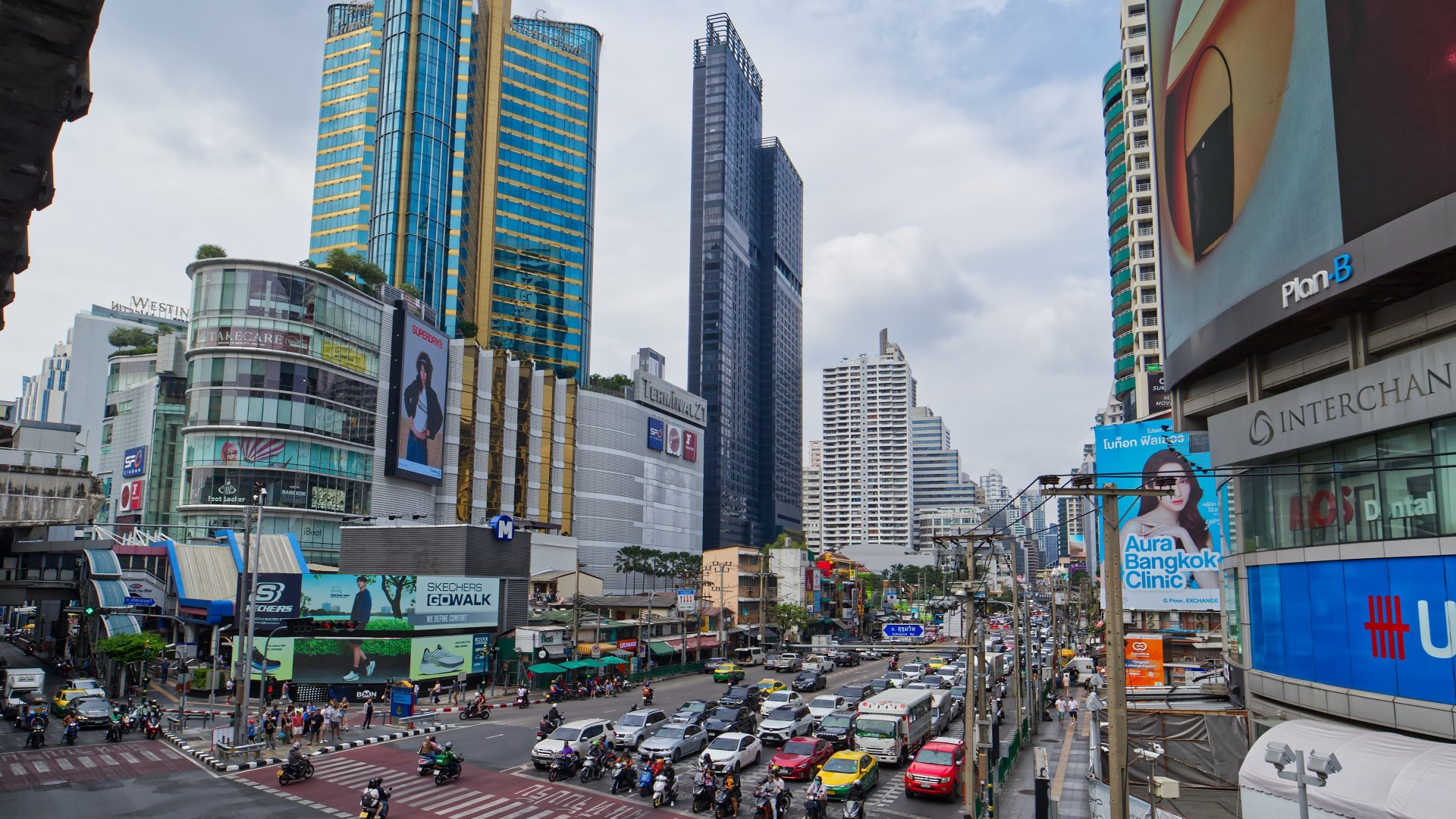
SINGAPORE, September 07, 2026 – Despite the Middle East energy shock, growth of the Thailand’s economy has been better than expected, supported by investment, fiscal spending and technology exports. However, growth remains uneven; technology-linked sectors have expanded strongly while traditional industries, particularly the SME segments, remain weak.
The current wave of FDI- and technology-driven investment offers Thailand a major opportunity to lift its growth potential and accelerate its economic transformation. Realizing this opportunity will require proactive measures to broaden its spillovers to productivity, employment and income across the economy.
This preliminary assessment follows AMRO’s Annual Consultation Visit to Thailand from August 24 to September 4, 2026. The mission was led by Group Head and Lead Economist Allen Ng, with AMRO Director/CEO Yasuto Watanabe and Chief Economist Dong He joining policy meetings with the authorities.
Economic developments and outlook
“Growth is projected at 2.4 percent in both 2026 and 2027, supported by continued private investment, fiscal spending and technology-related exports,” said Ng. “The priority now is to harness the current investment wave to drive broader economic transformation by deepening domestic linkages, boosting productivity, creating jobs, and raising incomes.”
FDI-backed projects, particularly in digital infrastructure and electronics, continued to strengthen the investment cycle in the first half of 2026. The investment pipeline could support medium-term growth, but the benefits have yet to spread widely across domestic firms and workers.
Headline inflation is projected at 1.6 percent in 2026 and 1.3 percent in 2027. Price pressures should remain contained as the energy price increase following the Middle East conflict recedes, although cost pass-through and food prices warrant monitoring.
Risks and vulnerabilities
Risks remain tilted to the downside, as reliance on a narrow set of drivers leaves the outlook vulnerable to external and domestic shocks. A sharp slowdown in global AI and technology-related activity could weaken exports, FDI and investment, while further weakness in household incomes and vulnerable sectors could become self-reinforcing. Energy, trade and weather shocks would pose additional headwinds.
On the upside, stronger external demand and investment activity, alongside wider domestic spillovers could lift growth above the baseline.
Policy recommendations
The policy mix should support the recovery, broaden its benefits and rebuild room to address future shocks and structural challenges.
The current accommodative monetary policy stance remains appropriate as underlying inflation remains contained. Policy should remain responsive to the evolving balance of growth and inflation risks. Over the medium term, gradual normalization could help rebuild policy space once growth becomes broad-based and inflation is durably within the target range. Financial policy should continue to address legacy debt while facilitating new productive credit.
Fiscal support should remain targeted at vulnerable households and businesses. Over the medium term, rebuilding policy space will require credible consolidation under the medium-term fiscal framework, combining stronger revenue mobilization with more efficient spending while safeguarding priority investments. Transparent oversight of emergency and quasi-fiscal activities, together with clear communication on any temporary breach of the statutory debt ceiling, would further support fiscal credibility.
Structural policy should sustain investment momentum and translate it into broader domestic productivity, employment and income gains. Stronger supplier linkages, workforce development, technology diffusion and wider adoption of digital technologies and AI could raise potential growth and accelerate Thailand’s transition toward high-income status. These efforts will need to be supported by reforms to improve competition and resource allocation. The forthcoming 14th National Economic and Social Development Plan provides an opportunity to coordinate these efforts.
The AMRO team would like to express its gratitude to the Thai authorities and other participating organizations for their cooperation and candid exchange of views.
Read the Thai-language summary of AMRO’s press release on the Bank of Thailand website.
About AMRO
AMRO is an international organization established to support macroeconomic resilience and financial stability of the ASEAN+3 region, comprising members of the Association of Southeast Asia Nations (ASEAN) and China; Hong Kong, China; Japan; and Korea. AMRO’s mandate is to conduct macroeconomic surveillance, support regional financial arrangements, and provide technical assistance to the members. AMRO also serves as a regional knowledge hub and provides support to ASEAN+3 financial cooperation.
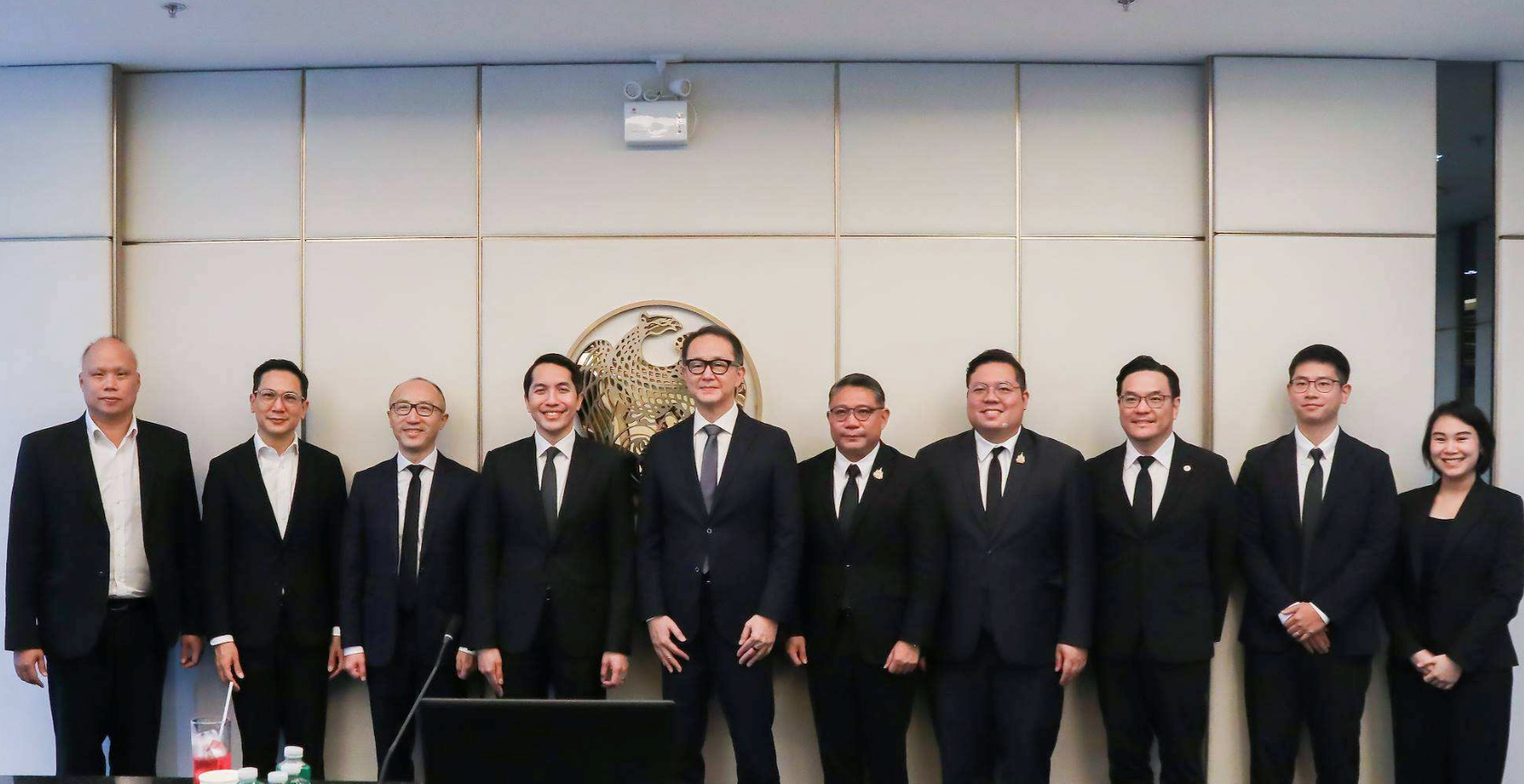
AMRO Director Yasuto Watanabe, Chief Economist Dong He, and the mission team met with Vice Ministers Santitarn Sathirathai and Archawat Chareonsilp and other senior officials from Thailand’s Ministry of Finance.
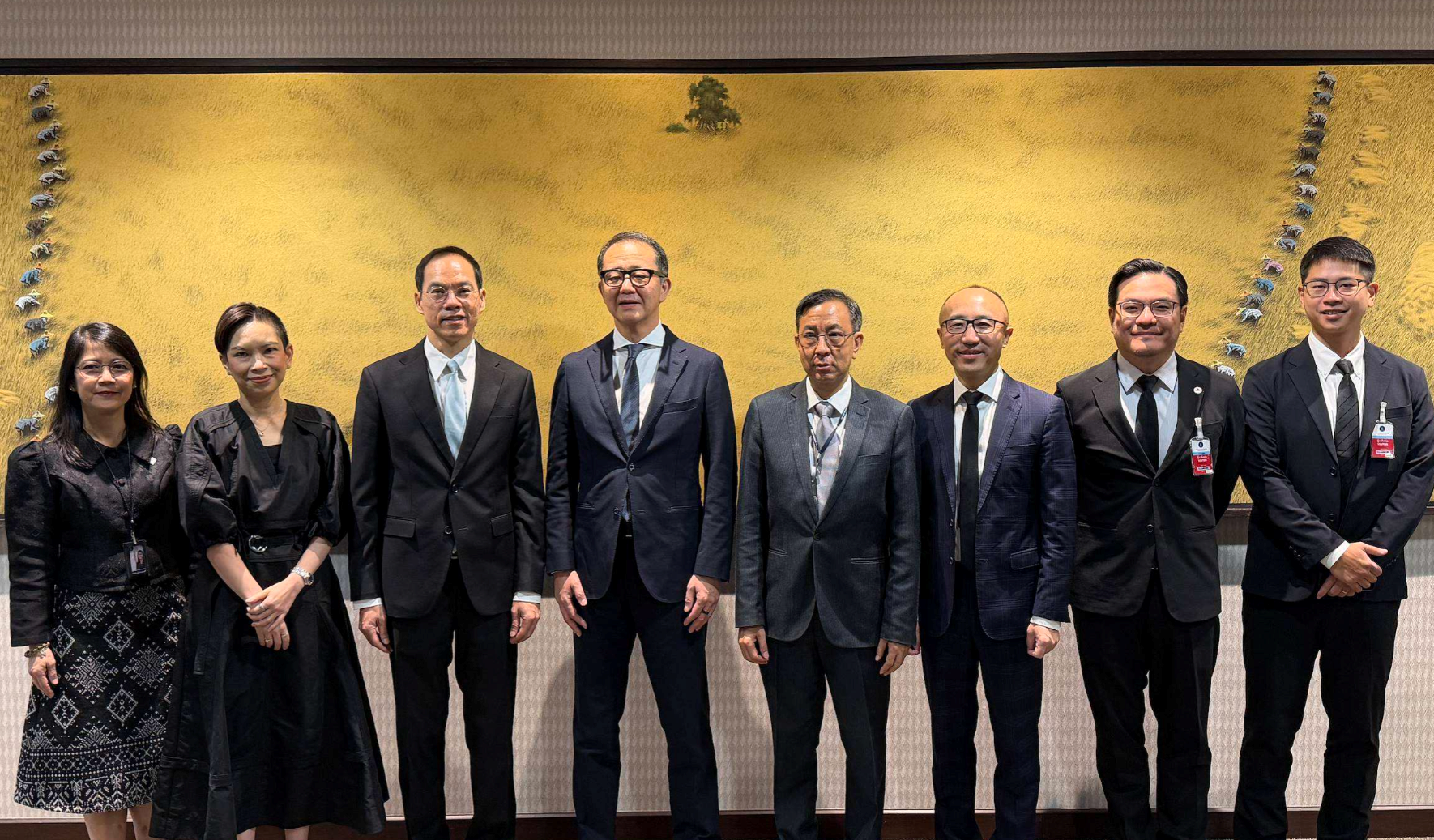
AMRO Director Yasuto Watanabe, Chief Economist Dong He, and the mission team met with the Bank of Thailand’s Deputy Governor Piti Disyatat, Assistant Governors Chayawadee Chai-anant and Don Nakornthab, and other senior officials.